
Land Management
Caring For Country
Healthy Country supports healthy communities. We work alongside landholders, organisations and project partners to care for the environment through culturally informed land management practices that respect the knowledge, history and values of Aboriginal people.
Our approach combines Traditional knowledge with contemporary land management practices, recognising that caring for Country is a shared responsibility that benefits people, wildlife and the environment for generations to come.
Our land management services include cultural fire and cool burning, weed management and feral pest control, tailored to the needs of each property, project and Country.
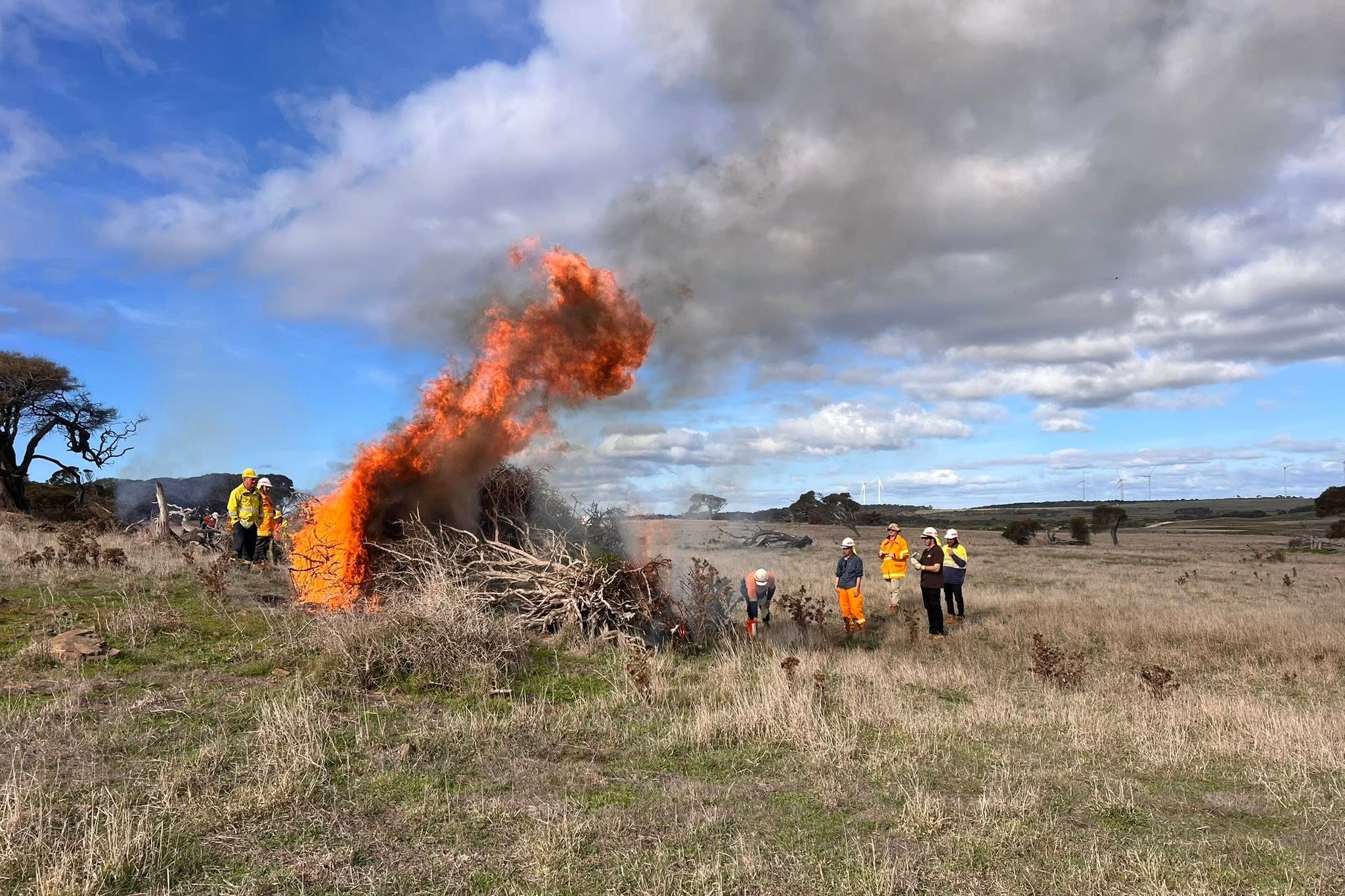
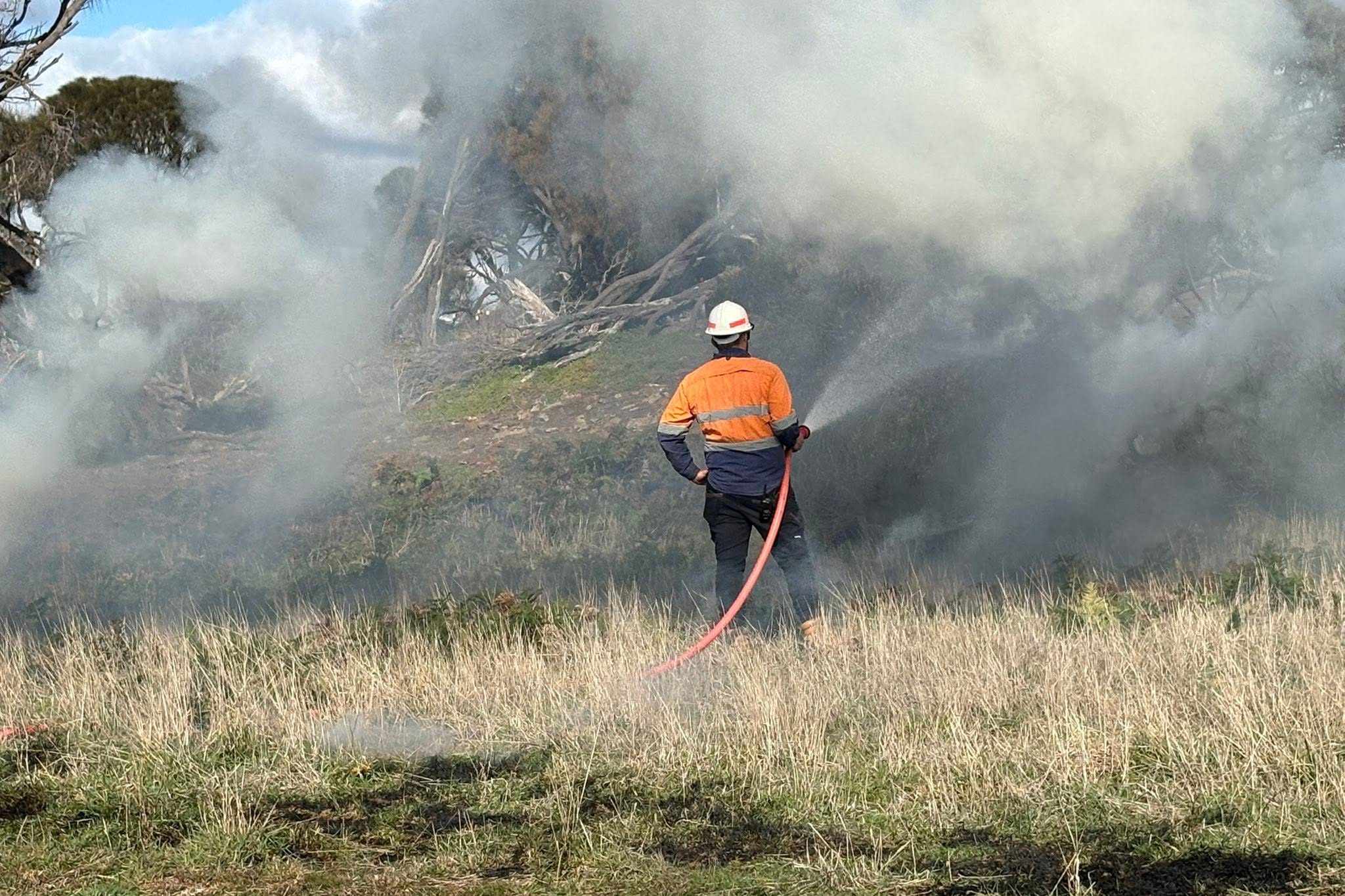
Cultural Fire and Cool Burning
MTWAC supports landholders, organisations and project partners to consider cultural fire and cool burning as part of broader land management, weed control, fuel reduction and ecological regeneration work. Our services may include site visits, cultural values advice, weed and fuel-load assessment, planning support, coordination with Traditional Owners and fire ecology specialists, and practical land management activities before and after a burn.
Each project is assessed individually. Pricing is quoted according to the location, preparation required, personnel, equipment, transport, safety requirements and agreed scope of works.
MTWAC recognises that cultural fire knowledge belongs to Aboriginal people and must be respected, protected and applied with proper cultural guidance. Landholders interested in cool burning should seek advice before planning any burn, including guidance from local Traditional Owners, Aboriginal fire practitioners, fire ecology experts and relevant fire authorities.
What is cool burning?
Cool burning is the careful, low-intensity use of fire to support healthy Country, manage fuel loads and encourage ecological recovery. It is usually undertaken in suitable conditions, such as cooler weather, higher humidity and light winds, so fire moves slowly across the ground rather than burning hot through the canopy.
Unlike high-intensity fire, a cool burn creeps through leaf litter, grass and dry surface material while helping to protect soil structure, tree roots and habitat. Burns are often planned in small, patchwork areas so that unburnt refuge remains for wildlife and native plants can recover over time.
Cultural fire practices have been used by Aboriginal people for thousands of years to care for Country, support food and medicine plants, maintain travel pathways, protect habitat and reduce the risk of destructive wildfire.
Why is it important?
Cool burning can support land restoration when it is planned carefully, led by the right cultural authority and matched to the needs of the site. It is not suitable everywhere, and burns carried out at the wrong time, in the wrong place or without proper guidance can damage Country, heritage values, soil, plants, animals and community relationships.
When culturally informed and ecologically appropriate, cool burning may assist with:
- Weed suppression (especially species that hate frequent low fires, like Lantana)
- Native grass recovery
- Soil protection and fertility
- Fuel load reduction (without ecological damage)
- Habitat rejuvenation
Weed Management
Supporting healthy Country through targeted weed management
Invasive weeds can reduce biodiversity, impact native vegetation, alter habitat and limit the natural regeneration of Country. MTWAC works with landholders, community organisations and project partners to identify and manage weed issues using culturally informed and environmentally appropriate approaches.
Our services may include:
- Property and site assessments
- Weed identification and mapping
- Weed management planning and advice
- Mechanical, manual and chemical control options
- Follow-up monitoring and maintenance
- Revegetation and regeneration support
- Native seed collection and planting programs
MTWAC can provide consultancy advice or fee-for-service weed management activities tailored to the needs of each property and project.
Feral Pest Control
Protecting native species and supporting ecosystem health
Feral animals can have significant impacts on native wildlife, cultural values, agricultural productivity and environmental health. MTWAC supports landholders and organisations to identify and manage feral pest issues through integrated land management approaches.
Our services may include:
- Feral animal identification and monitoring
- Site inspections and impact assessments
- Management planning and risk assessment
- Tracking and population monitoring
- Coordination of pest control activities
- Support for habitat protection and regeneration programs
- Follow-up monitoring and reporting
Target species may include rabbits, feral cats, deer and other invasive animals affecting local ecosystems.
Fees and Enquiries
All services are delivered with consideration of cultural values, environmental outcomes, animal welfare requirements and relevant legislation.
Pricing is quoted according to site requirements, personnel, equipment, travel and the agreed scope of works.
If you are interested in our Land Management services, please contact us to discuss your needs and obtain a tailored quotation